

Save Money with Rebates for High-efficiency Air Conditioning this summer
Looking to cool down this summer? You could save big by installing high-efficiency cooling and heating solutions from Southcoast Heat Pumps. Massachusetts residents can save up to $15,000 with Mass Save rebates while Rhode Island Residents can save as much as $11,500 with rebates from Clean Heat Rhode Island. Residents from both states could qualify for 0% financing through these programs.
Whether you live in Southcoast Massachusetts or Rhode Island, cooling your home uses more energy and costs more money than any other system in your home — usually almost 30% of your utility bill. Heating your living space can be your highest expense during the winter. If you haven’t upgraded your cooling or heating equipment in the past 15 years, now might be the right time to invest in all-in-one technology to cool and heat your home.
Contact us to check your rebate eligibility
Choosing the Right High-efficiency Heat Pump Technology
High-efficiency heat pumps from Coastal Heat Pumps offer both cooling and heating capabilities, making them a smart option for homeowners looking to modernize their systems and reduce energy costs. Here are the three main types to consider when replacing an existing heating system.
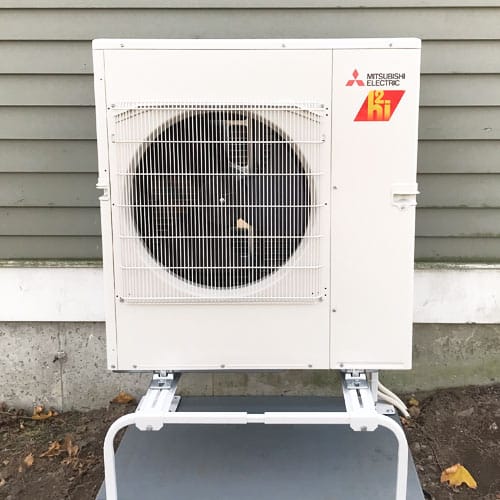
Central Heat Pump
Heat pumps have an exterior central air conditioning unit that extracts heat from the inside air, even when it’s hot out. The systems work in reverse to provide heat in the winter. Homes that currently have ductwork in them may be good candidates for a ducted heat pump system.
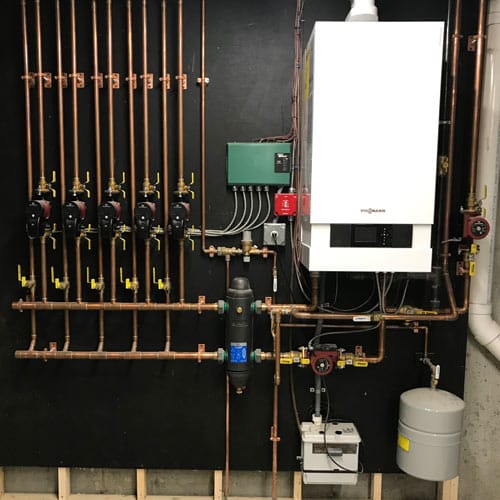
Geothermal Heat Pump
Geothermal or ground-source heat pumps have an interior unit connected to a well or a closed loop underground piping system. These units provide cool air directly from the constant temperature in the ground and are a great option for new homes or existing homes that currently have ducted systems in place.
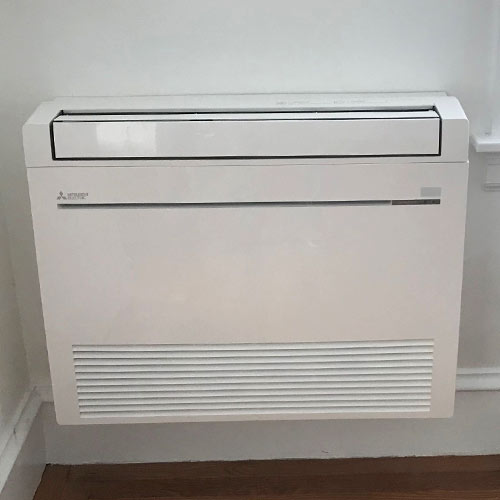
Mini-split Heat Pump
The main advantages of mini-split heat pumps are their small size and flexibility for zoning and cooling and heating individual rooms. Ductless mini-split systems are also often easier to install than other types of air conditioning systems.
Not sure which type of heat pump air conditioning system is right for your home or business?
Contact Southcoast Heat Pumps today and we can help you figure out the best solution with the most savings.
FAQ’s about heat pumps
A ductless, air source heat pump is the same as a mini-split. Both are shorter ways of saying ductless, mini split-system air-conditioner. It’s also a little less confusing since even though they are called air conditioning systems, the units are also capable of efficiently heating your home or business. It’s called a mini “split” because unlike in traditional, ducted systems, the split system heat pump includes both inside and outside components that function together.
The amount of space that a system can cool depends on the efficiency of the system, the size of the space and other factors including weatherproofing and insulation. For larger spaces, Southcoast Heat Pumps can design a system of zones using multiple indoor units.
Today’s heat pump can reduce your electricity use for heating by approximately 50% compared to electric resistance heating such as furnaces and baseboard heaters.
A typical heat pump installation takes one to three days for most homes. A straightforward replacement of an existing system can often be completed in a single day, usually taking only four to eight hours. However, complex installations involving new ductwork or larger homes can take several days to over a week.
For most modern, cold-climate heat pumps, a backup heating system is not necessary. If you live in a moderate climate (e.g., Southern New England), a properly sized heat pump is typically sufficient on its own. Modern heat pumps can handle most winter temperatures, but backup (or “supplemental”) heat helps during extreme cold snaps, provides emergency heat if the heat pump fails, and aids in defrosting.